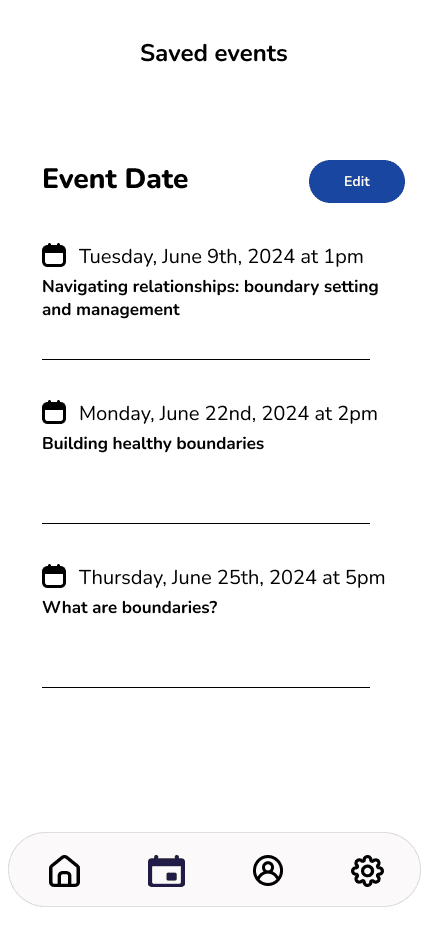
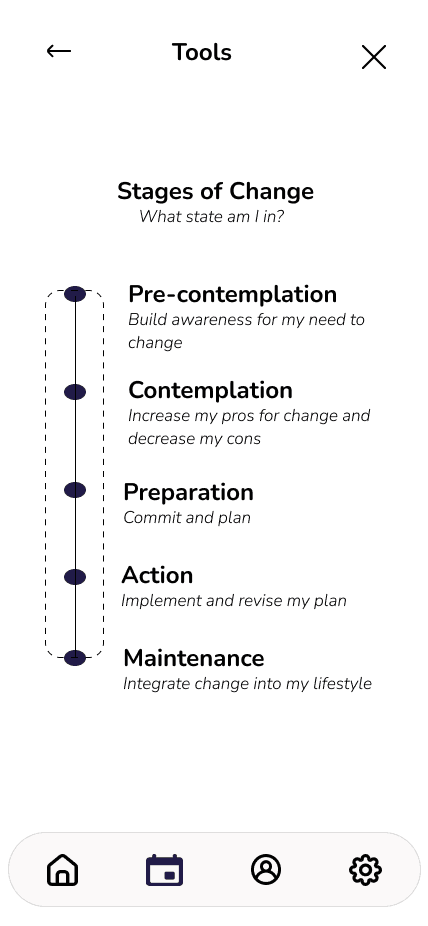
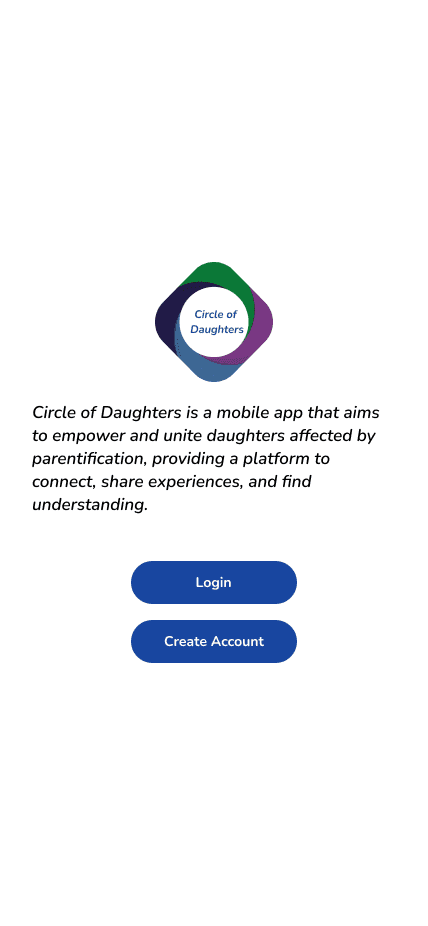
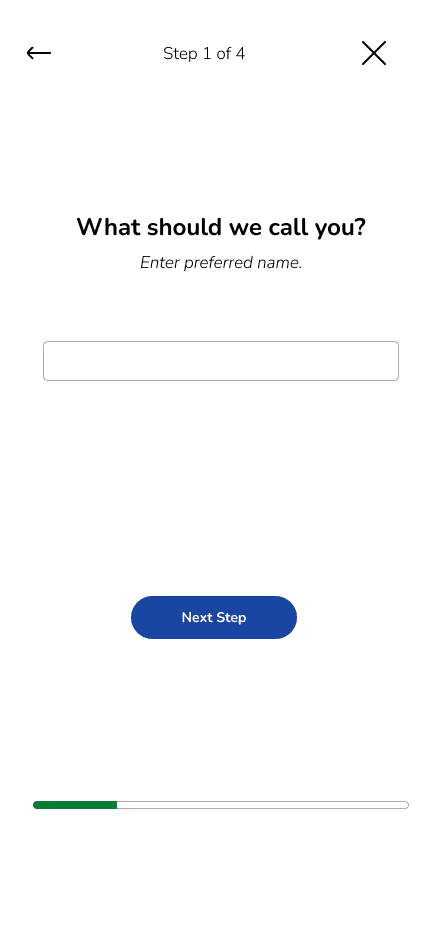
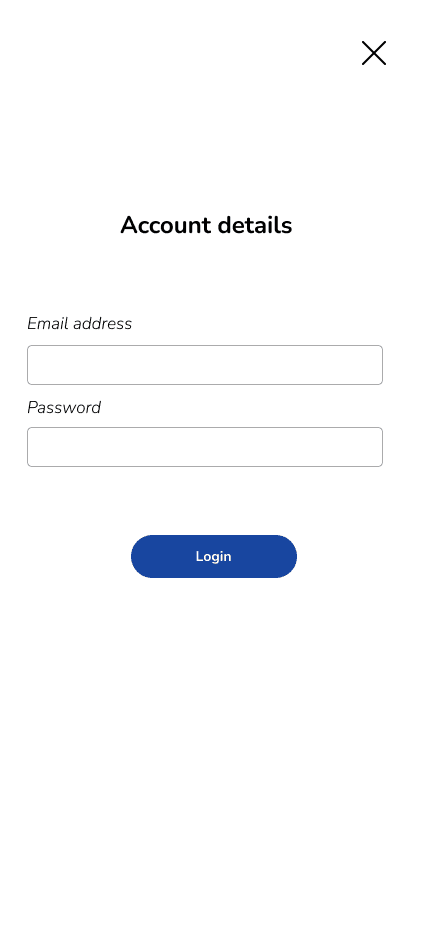
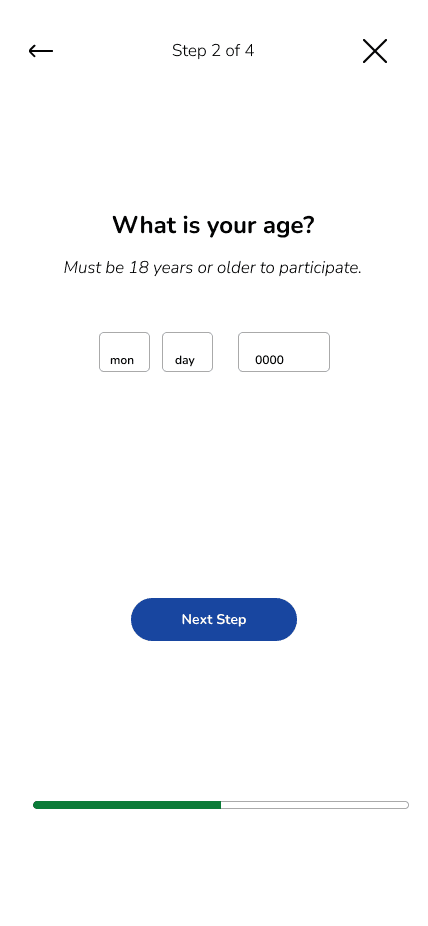
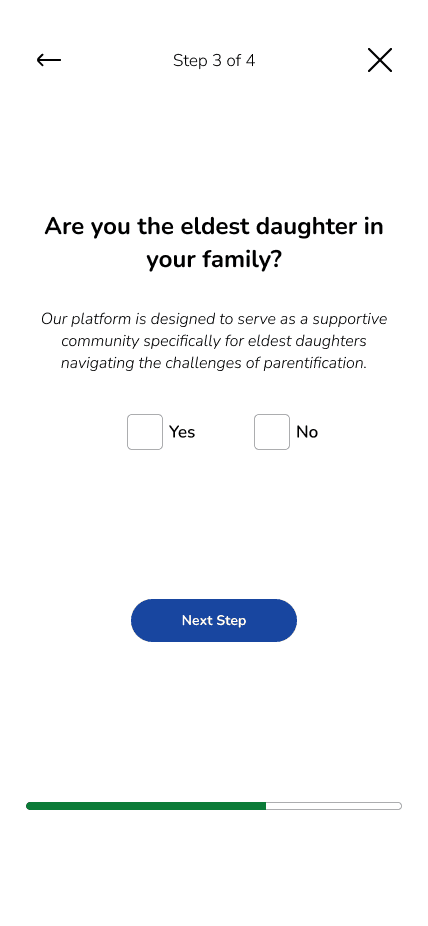
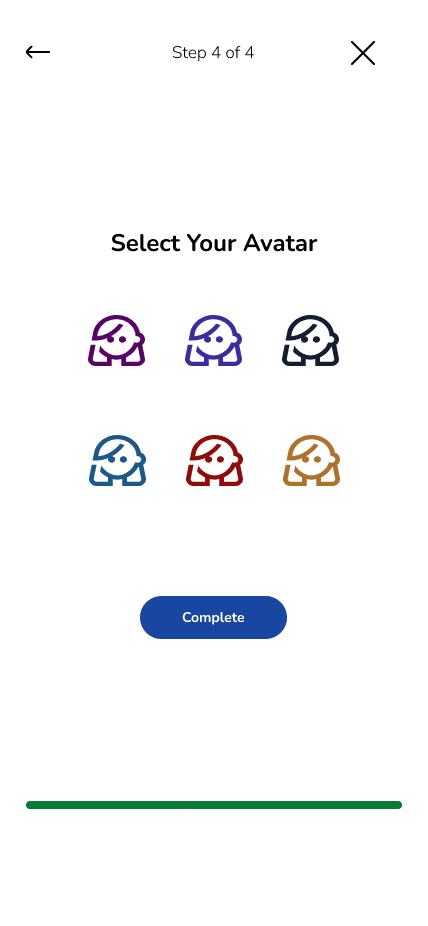
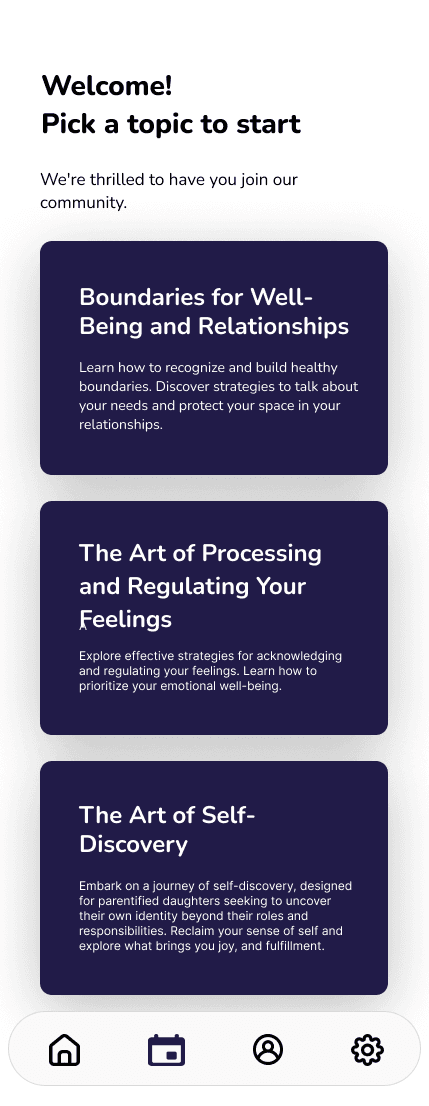
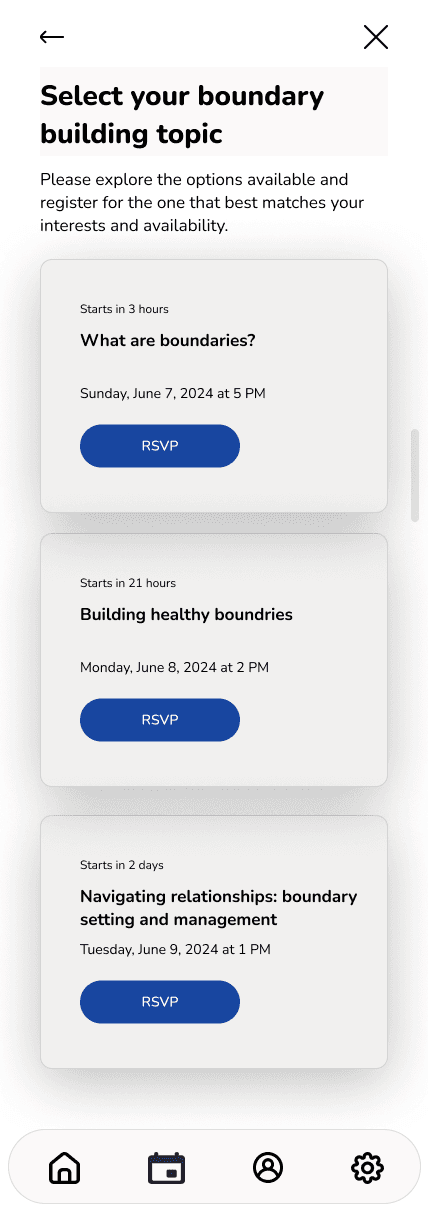
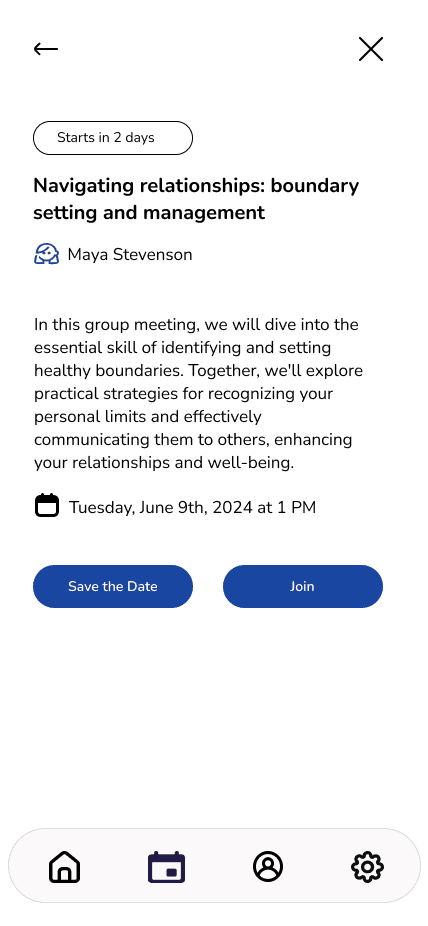
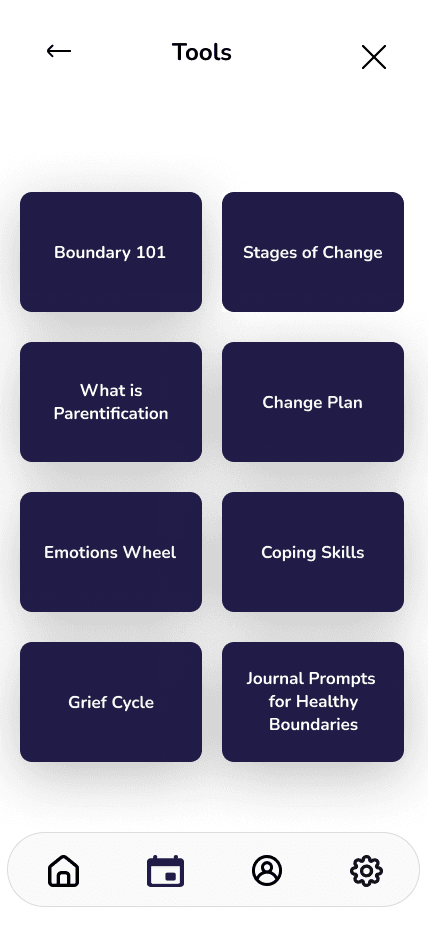
The prototype is an interactive version of the high-fidelity designs, allowing users to click through the app and experience the user flow as it would function in the final product. This prototype was crucial for usability testing and gathering feedback.
Using prototyping tools, I linked the high-fidelity designs together to create a clickable prototype that closely mimics the app's functionality. Building the prototype allowed me to identify errors and gaps, leading to necessary adjustments that ensured the final product would meet user needs and expectations.
Link: Circle of Daughters High Fidelity Prototype
High Fidelity Prototype
To evaluate the app’s design and functionality with real users, I conducted a usability testing of the app to identify any issues or areas for improvement. I recruited and enrolled eligible participants. Participants were asked to complete specific tasks within the prototype while I observed their interactions and gathered feedback. I recorded any difficulties they encountered and collected their thoughts on the overall experience.
This process was essential to collect feedback from test users and helped me identify and fix usability issues, improving the overall design and functionality of the app.
Usability Testing
Moodboard
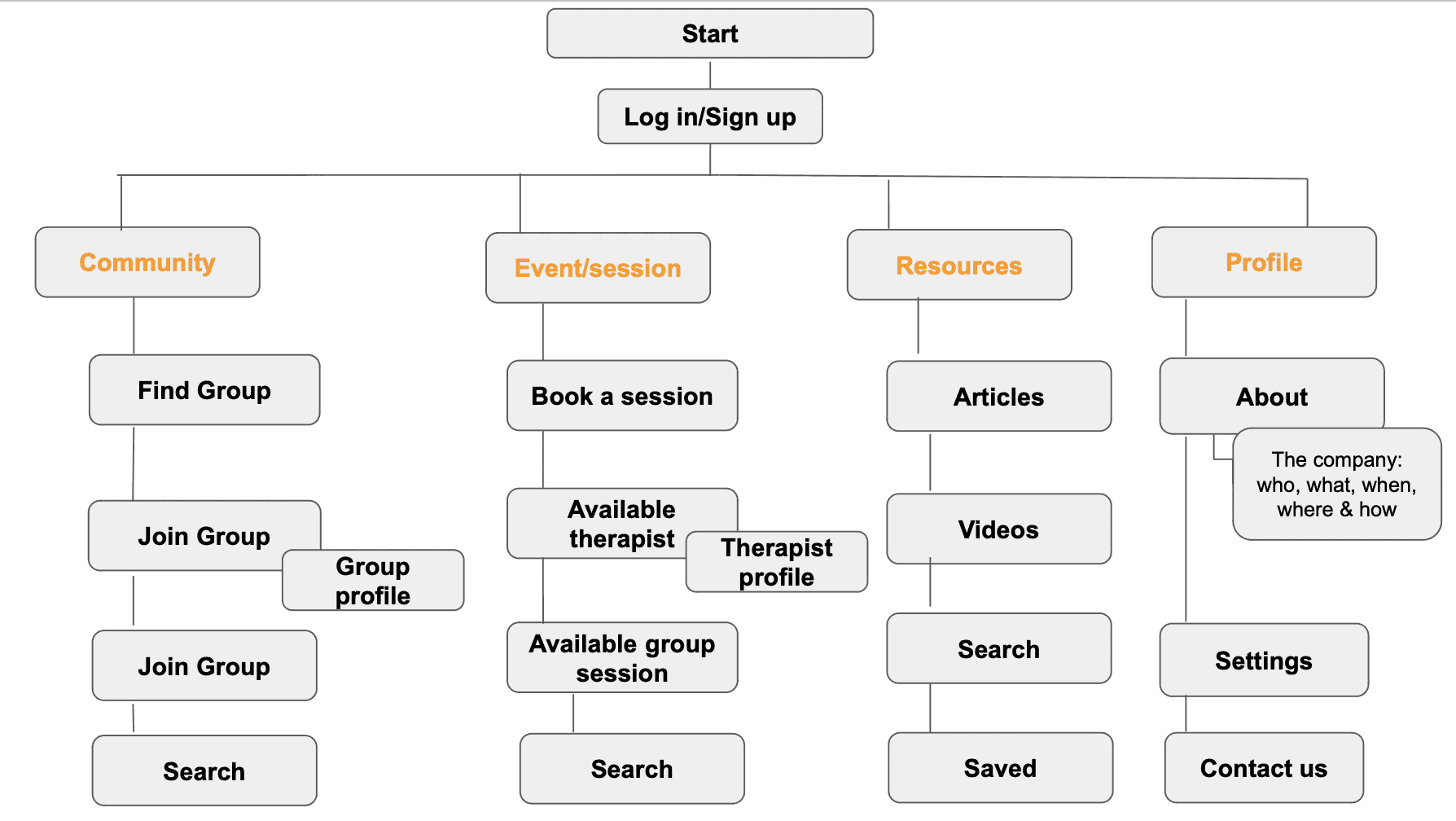
When I began designing the Circle of Daughters app, I started by creating a sitemap—a visual map of the app's structure that outlines the main pages, subpages, and how they are connected. This sitemap provided a blueprint for the app's navigation and content hierarchy. I created the sitemap by first identifying all the key features and content areas that needed to be included in the Circle of Daughters app.
Although the first sitemap draft is different from the final development of the app, the process of creating the sitemap helped me build an effective structure that allows users to easily find what they were looking for without feeling overwhelmed or lost.
Sitemap
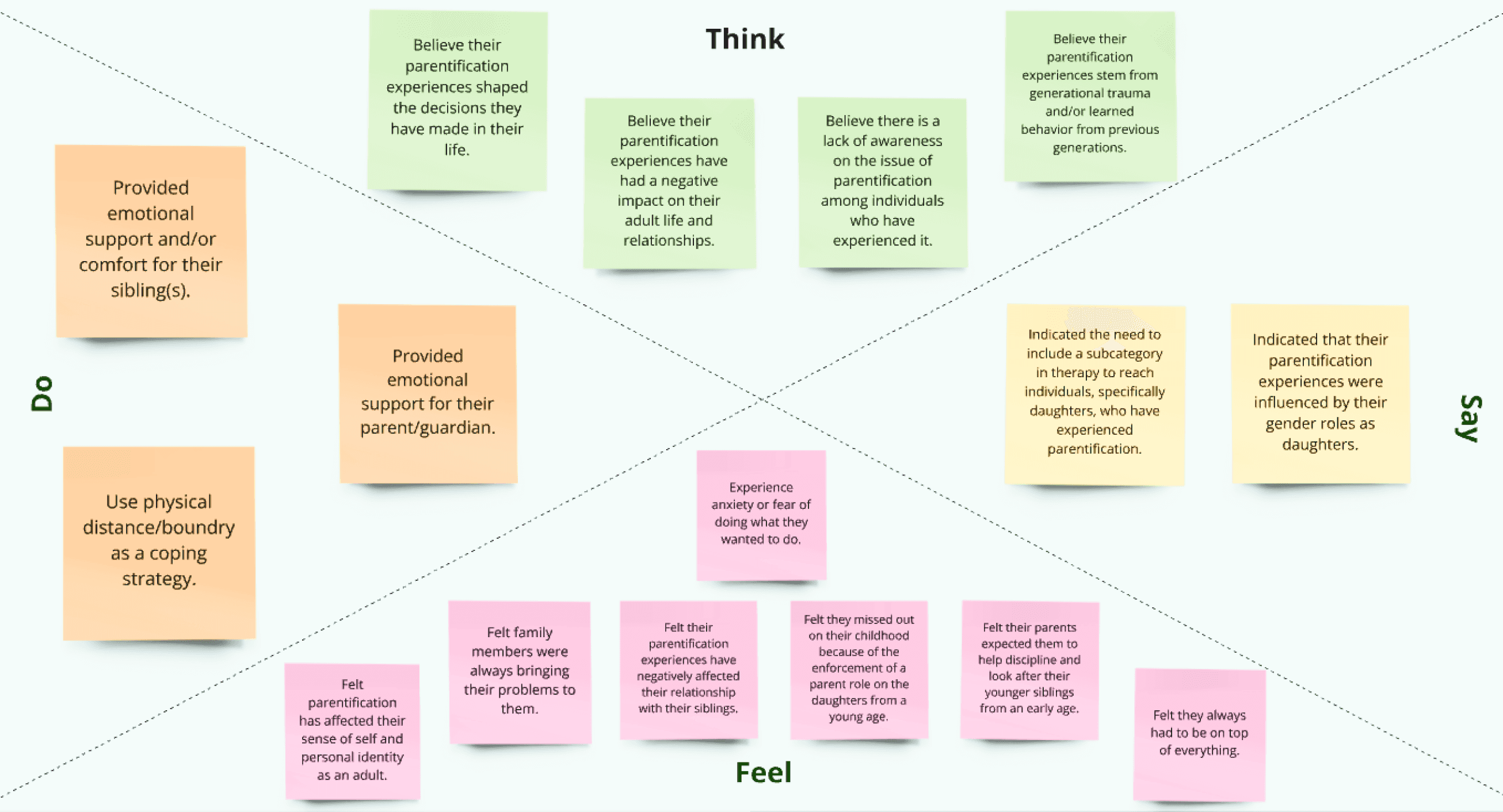
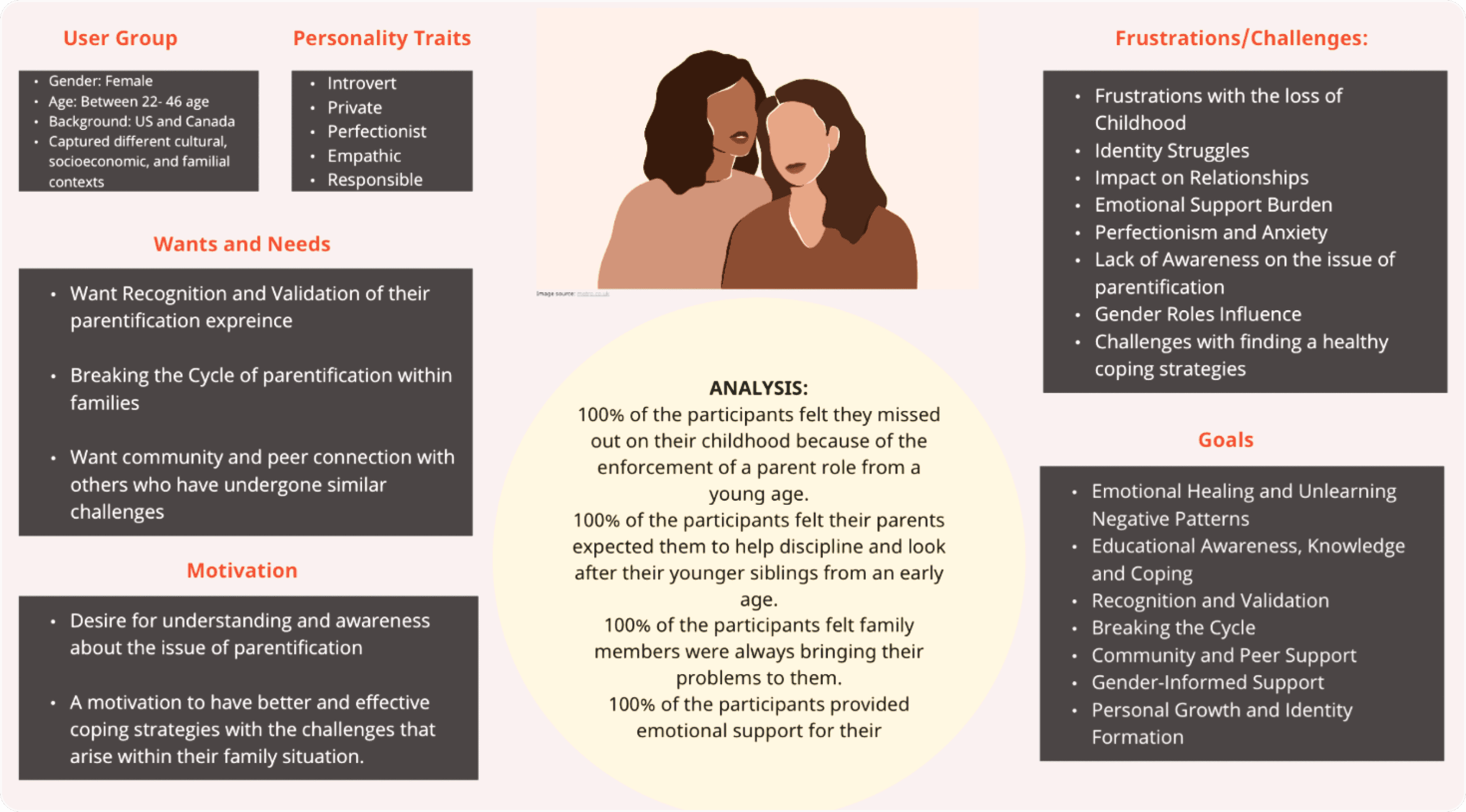
After analyzing the data with an affinity map and creating an empathy map, I developed a user persona to address the question: "Who am I designing this product for?" This user persona provided a detailed representation of a target user, guiding my design decisions by highlighting the user’s needs, goals, and personality traits.
Through this process, I learned the importance of tailoring design solutions to meet specific user requirements. A challenge I encountered while developing the user persona was ensuring it accurately reflected the diversity of the user group while also capturing common traits and behaviors.
User Personas
Background
The app aims to provide a safe space for eldest daughters to connect with others, find support and access educational resources.
It also offers users educational tools to better understand the impacts of parentification and how to mitigate its effects.
Functional/Instrumental Parentification
An eldest daughter subjected to functional/instrumental parentification may assume the following roles:
Taking on age-inappropriate household responsibilities, such as caretaking siblings, tending to sick relatives, or physically caring for parents.
Handling financial responsibilities, including paying bills and managing household expenses.
Emotional Parentification
An eldest daughter subjected to parentification may assume the following emotional parentification roles:
Being pulled into and serving as a mediator during adult arguments, sometimes even between parents and/or siblings.
Being exposed to information that is too mature for their age to handle and providing emotional support to upset, angry, or depressed parents and siblings.
Secondary research was conducted to explore the challenges of parentification with the eldest daughter. The purpose of the second research is to understand the pain, struggles or frustrations of eldest parentified daughters.
I drew insights from a variety of sources, including academic journal articles, websites, and social media platforms such as Reddit, TikTok and YouTube.
Key findings from this research highlighted two primary types of parentification: functional/instrumental and emotional parentification.
Secondary Research
Screen Survey
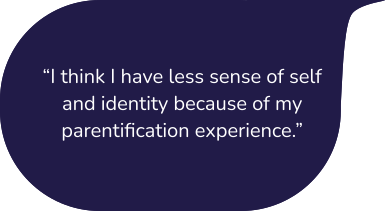
“Being parentified forced me to grow up quickly and shaped my life choices, including my decision not to have children.”
“Older female children are the ones who kind of bear the burden of this because we're always expected to like eventually be mothers.”
User Interviews
After the recruitment phase, I conducted user interviews with eligible participants to gain deeper insights into the impact of parentification on eldest daughters. A total of 43% of eligible participants took part in a video interview.
From these interviews, I learned that many people do not realize they were treated as parents while still being children themselves.
Participants highlighted the challenge of not having parental figures to rely on, which led to increased responsibility and maturity at a young age.
Older female children often bear the burden of these expectations and many believed their experiences stemmed from gender roles and generational cycles.
What I discovered
Out of the initial pool, approximately 54% of potential participants met the eligibility criteria. To ensure diversity, I selected participants from various cultural, socioeconomic, and familial backgrounds, aiming to gain a comprehensive understanding of the main pain points.
How it all started
To identify eligible participants, I conducted screener surveys using Google Forms. The survey was distributed via email and shared through social networks, targeting potential participants among friends, family, and other contacts.
My focus group consisted of adult women aged 25 to 40 who experienced parentification within their family dynamics.
Screen Survey
Positive aims and goals:
Unlearning negative patterns
Knowledge and coping
Breaking generational cycle
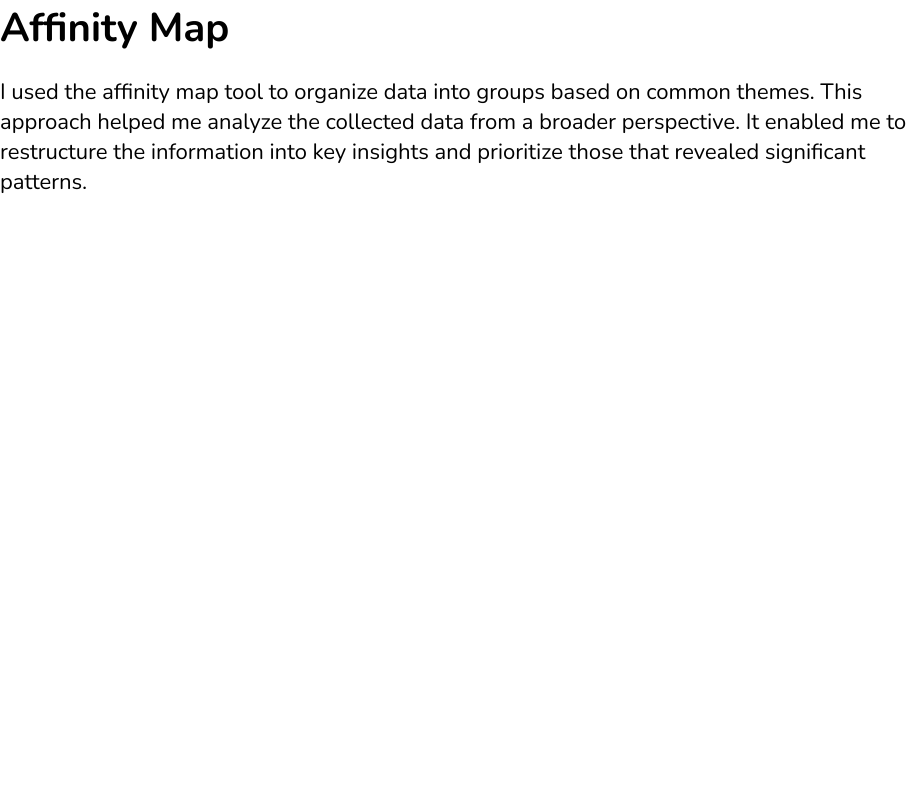
Figure: Affinity map
Key Analysis
Most participants felt they missed their childhood due to early parental roles.
All participants provided emotional support for their parents/guardians and younger siblings during their formative years.
80% of the participants believe parentification harmed their adult relationships and life.
Many linked their experiences to traditional gender roles for daughters.
Challenges faced by daughters:
Loss of childhood
Identity struggles and anxiety
Emotional support burden
JTBD (Jobs-To-Be-Done)
To gain a deeper understanding of the user group, I utilized the Jobs to Be Done (JTBD) framework. This tool helped me identify the specific goals and aspirations of parentified daughters and what they aim to accomplish in overcoming their unique challenges.
Jobs:
Address emotional challenges stemming from a parentified upbringing
Discover and nurture personal identity
Develop strategies for healthy adult relationships
Build resilience and self-care practices
Find ways to express and process past experiences
Needs:
Break the cycle of parentification through awareness and understanding
Achieve emotional healing and identity formation
Regain a sense of lost childhood
Form a supportive community
HMW (How Might We) Statements
After reviewing all of the insights from my synthesis work, including the affinity map, empathy map, and persona, I identified several key patterns to explore solutions using the How Might We Statement tool.
Some of the most important patterns are that parentified daughters are interested in addressing the emotional challenges stemming from their childhood, rediscovering their childhood experiences, breaking generational cycles of parentification, and connecting with others who have faced similar challenges to learn from one another and develop better coping strategies.
The How Might We statements enabled me to explore essential questions and test multiple solutions for each question.

The user flow allowed me to outline the steps and paths a user takes within the Circle of Daughters app to complete key tasks, from signing up to engaging with support resources.
This process allowed me to think through the core tasks users would perform, such as creating an account, joining support groups, and accessing educational resources. I used this technique to map out each step,a ensuring it was intuitive and user-friendly, focusing on minimizing friction points to enhance user experience.
In addition, by mapping out the user flow, I was able to identify potential obstacles and streamline the process, and remove any barriers.
User Flow

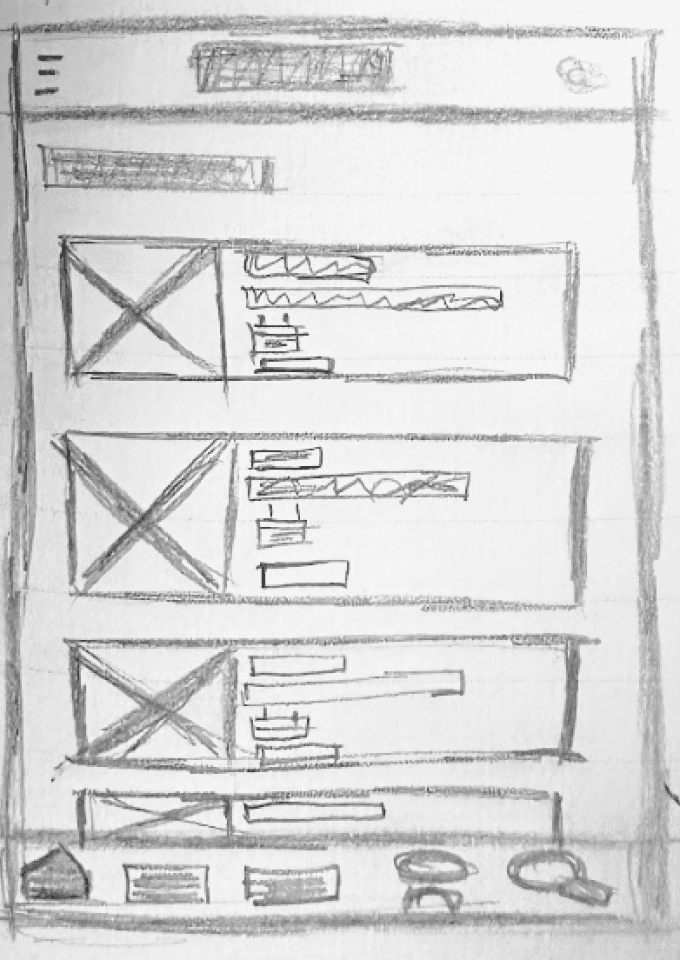
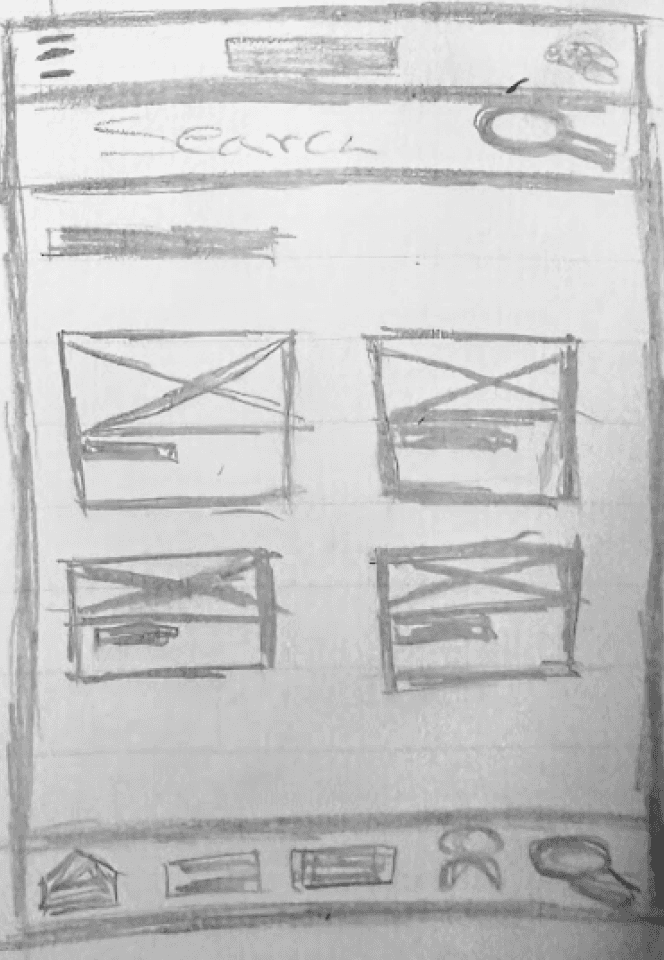
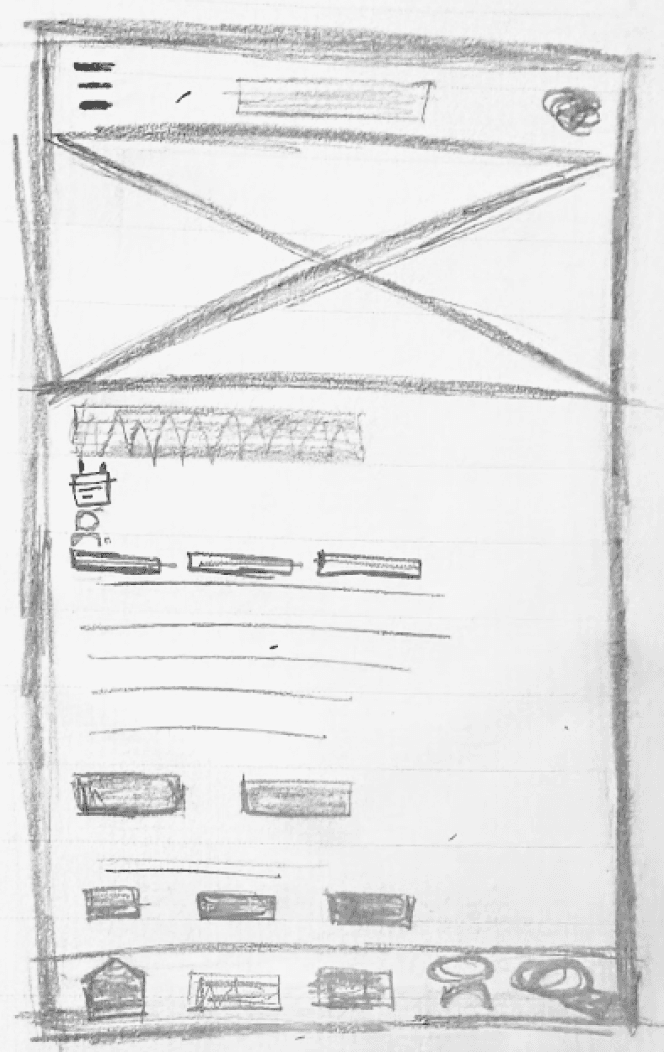
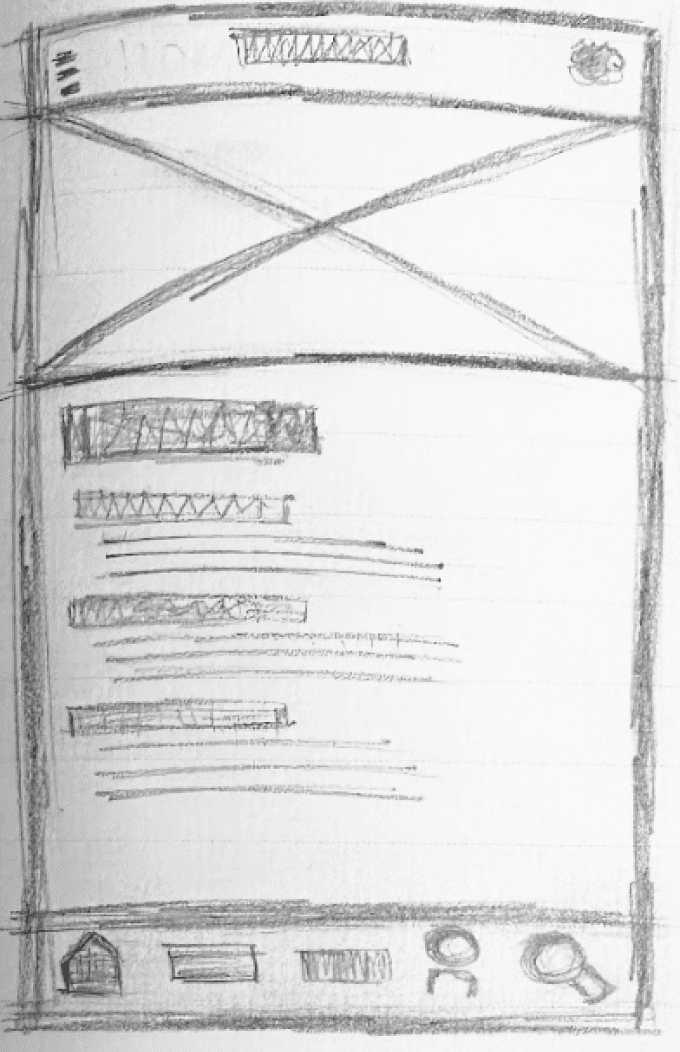
Developing the user flow eased the process of building the structure of the app. To do that, I hand-drawn representations of the app's layout and features, giving a rough idea of the design and functionality.
I started by sketching out the main screens of the app, focusing on the layout of the home screen, user profile, support groups, and educational resources. The sketches visualize the foundation for the wireframes and the overall structure and flow of the app.
Sketches
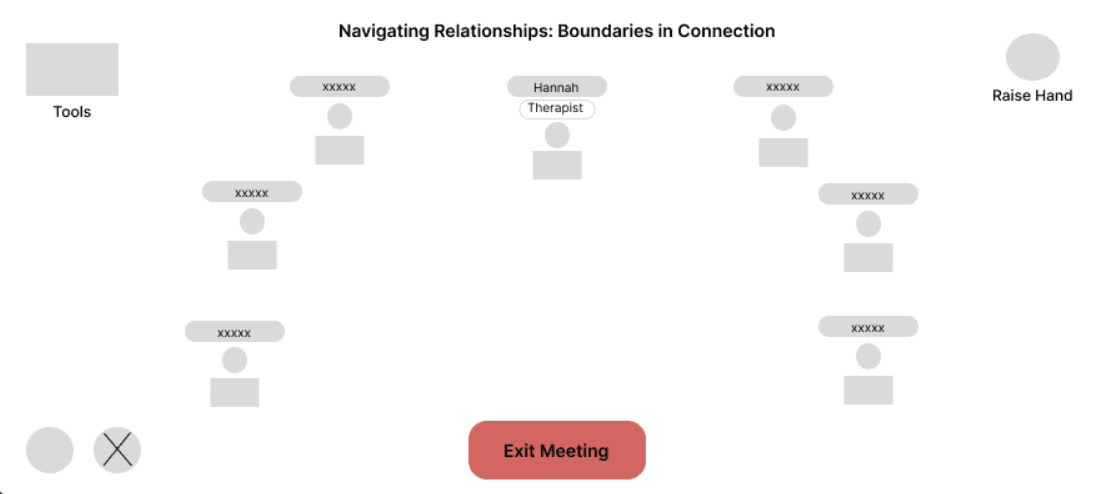
Mid-Fidelity Mock-Ups
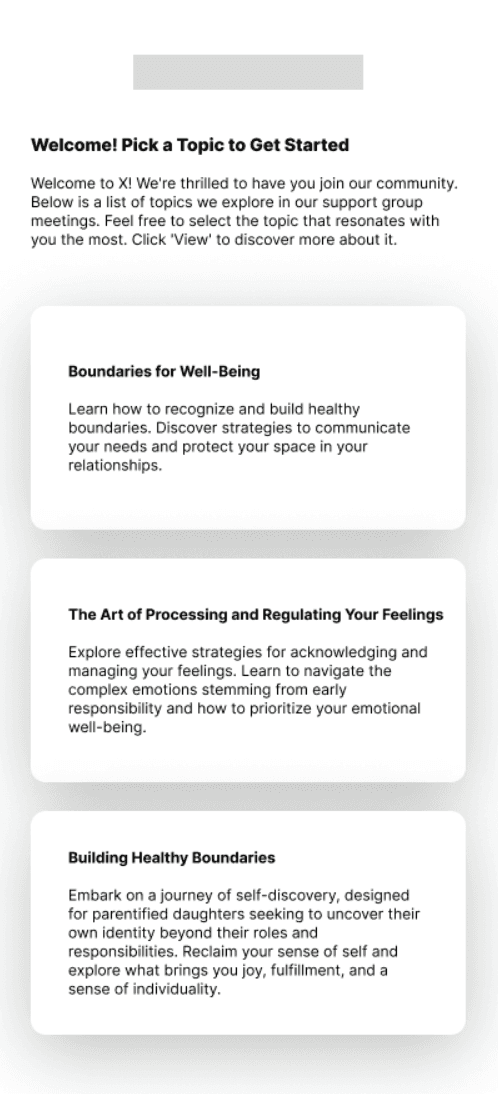
The next phase involved creating high-fidelity mockups to represent the polished version of the app, incorporating colors, typography, imagery, iconography, and user interaction.
Before designing, I gathered wireframes, the user story, research findings, and brand guidelines. Mockups were crafted in Figma for three user flows: Vision Board, Budget, and Bookmark, with unique icons designed as components for brand consistency.
Colors and layouts were assessed for visual hierarchy, alignment, contrast, and accessibility. High-fidelity mockups played a crucial role in refining initial sketches and wireframes, enabling clearer communication and multiple iterations to enhance user experience.
Notable changes included adding a dashboard for easy navigation, simplifying the budget layout to accommodate beginners, and shifting emphasis in the Vision Board to address user time constraints by presenting a catalog-style panel of products.

Branding & Styling
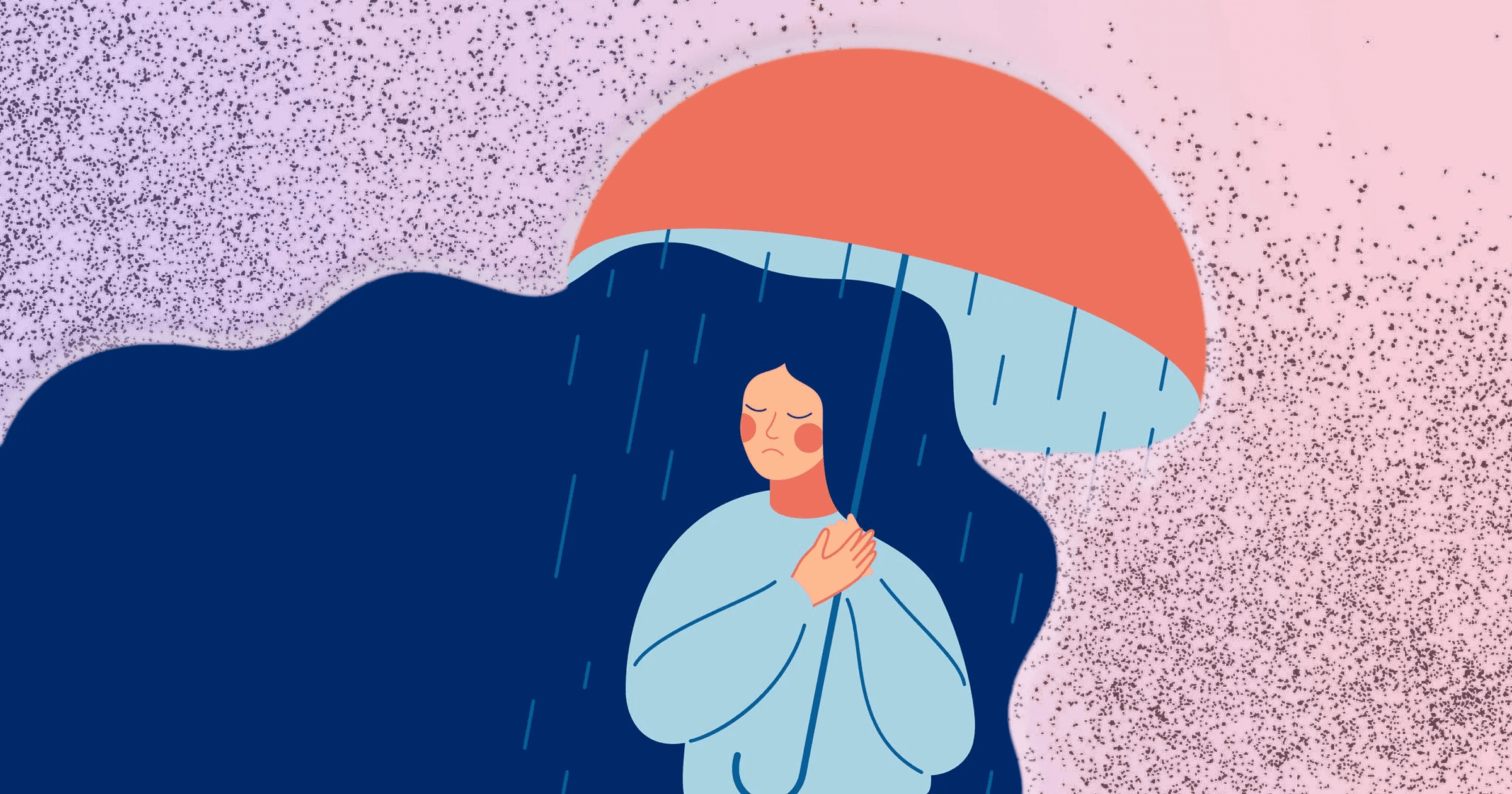
To define the visual identity of the Circle of Daughters app, I researched and gathered ideas to build the brand, color palette, and overall mood conveyed by the design. I selected a color palette that reflects the app’s mission of support and community, choosing soft, calming colors that promote a sense of safety and warmth. I also established typography and style guidelines to ensure consistency throughout the app.
The mood was intentionally set to be empathetic and supportive, aligning with the app's purpose. While I didn’t fully adhere to the initial mood board, this process was instrumental in designing an app that is inviting, user-friendly, and visually pleasing.
Color Palette Inspiration
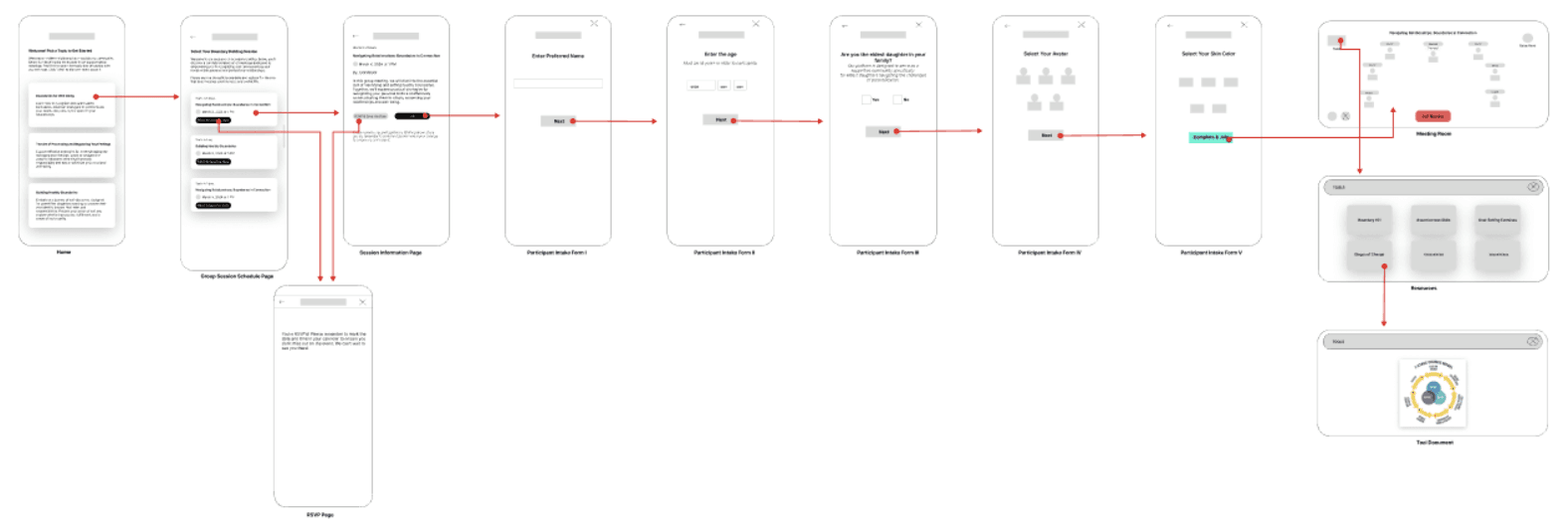
Wireflow
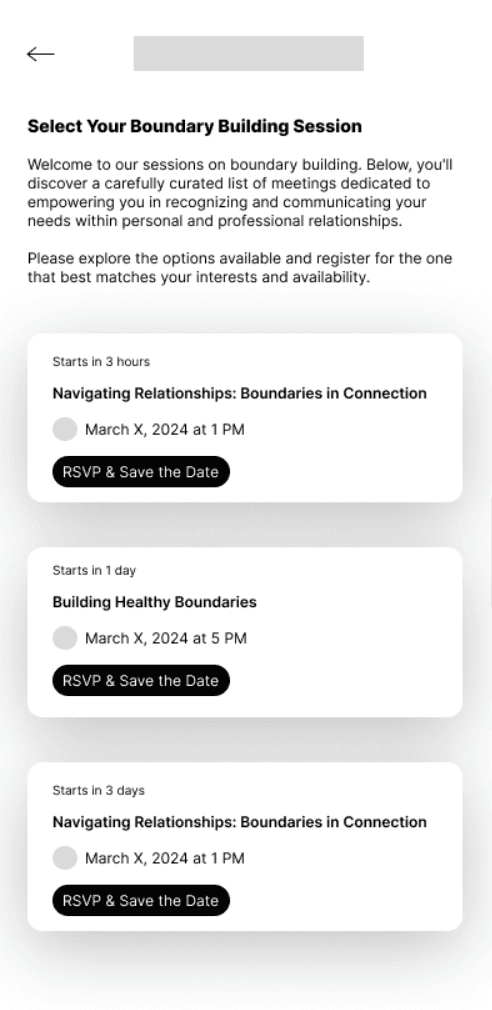
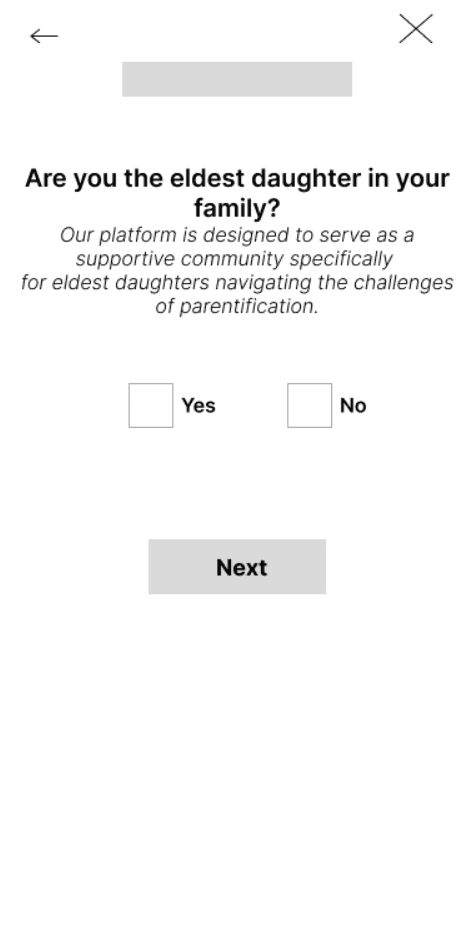
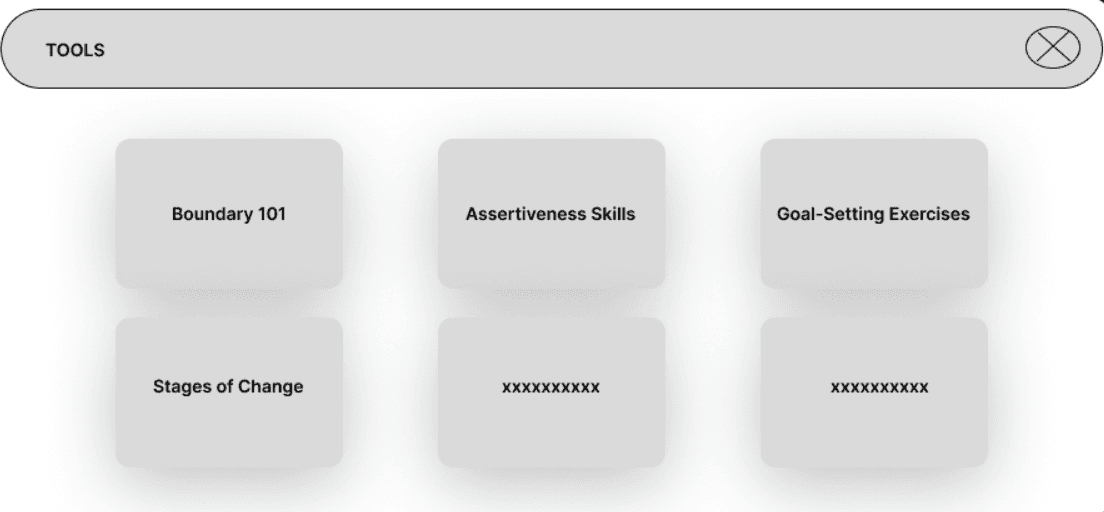
Wireframes are low-fidelity digital representations of the app’s layout, focusing on the structure and placement of elements without detailed design or color. I used my initial sketches as a foundation to guide the development of the wireframes. One challenge I faced during this process was remaining open to altering my original layout as I evaluated the app's structure more closely.
As I spent more time refining the design, I realized that some adjustments were necessary to create a more user-friendly experience. The wireframes played a crucial role in helping me make these pivotal decisions, allowing me to improve the app’s overall functionality and user flow.
Be Adaptable and Flexible
Adjusting the project scope and methodology as needed can lead to richer insights and a more inclusive dataset.
Trust the Process
It's crucial to avoid rushing into solutions. Following a step-by-step approach based on research and findings ensures a more effective product development process.
Most Important Lessons
Prioritize User Research
Understanding the real needs of the target audience is essential. Continuous user feedback and iteration are key to improving the user experience.
How Might We
Insight
Parentified daughters have the desire to reclaim the childhood they missed out on due to taking on adult responsibilities from an early age.
Adult parentified daughters recognize the negative emotional impact parentification had on their sense of self and personal identity.
Parentified individuals recognize the cycle of parentification within families, and the potential impact it has on their relationships.
Parentified eldest daughters desire to connect with others who have gone through similar experiences.
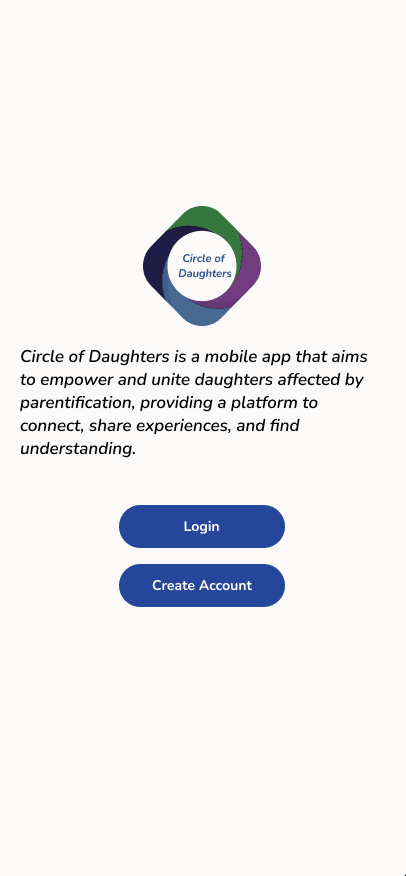
Circle of Daughters
Creating a mobile app to empower and connect daughters impacted by parentification, offering a space to share experiences and find support.
Role: UI/UX Design | UX Research | Wireframe | Prototype | User Testing
UI/UX Designer: Kidist Dimore
How might we support parentified daughters to rediscover their childhood experience?
How might we address the emotional complexities of daughters who’ve experienced parentification and provide guidance for identity formation beyond the roles they took in their family dynamic.
How might we provide educational resources and interventions that raise awareness among parentified daughters to empower them to break the cycle and create healthier relationships?
How can we create a safe space for daughters to build a supportive community for mutual understanding and coping strategies?
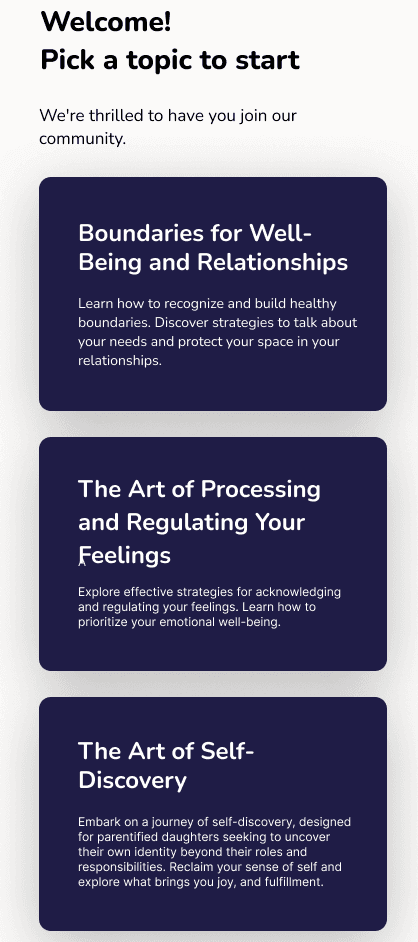
Through the high-fidelity designs, I developed detailed and polished versions of the app's screens, including color, typography, and images, to closely resemble the final product. Building upon the wireframes, I created high-fidelity mockups that incorporated the brand's color palette, typography, and imagery.
This step provided a clear and accurate representation of how the final product would look and feel. During this process, I made some adjustments to the color and style to ensure the visual design aligned with user expectations and enhanced the overall user experience.
High-Fidelity Design